
Tesla detailing in Huntington Beach, CA should match the vehicle and the problem. Interior buildup, large glass areas, paint defects, road impact, heat, and protection goals each point toward a different detailing or protection service.
A Tesla does not automatically need one fixed detailing package. A Model 3 with light interior buildup may need routine cabin care, while a Model Y used for family driving can require deeper seat, carpet, glass, and cargo-area cleaning. The model helps define the vehicle, but the actual condition determines where the work should go.
Painted models introduce a separate set of decisions. Exterior contamination, visible swirl marks, water spotting, or a finish that has lost clarity can point toward exterior detailing or paint correction instead of another general wash. If the paint is already in strong condition, the better next step may be protection rather than correction.
Glass-heavy cabins create another branch in the service plan. Roof glass, side windows, windshield visibility, glare, privacy, and interior heat are all glass-related concerns rather than paint problems. Those conditions may lead to cleaning, tint, or broader cabin-care decisions depending on what the owner wants to change.
Cybertruck should also be treated differently from painted Tesla models because its exterior body panels are stainless steel rather than conventional painted bodywork. That changes the exterior-care discussion and makes it especially important to identify the actual surface before selecting the service.
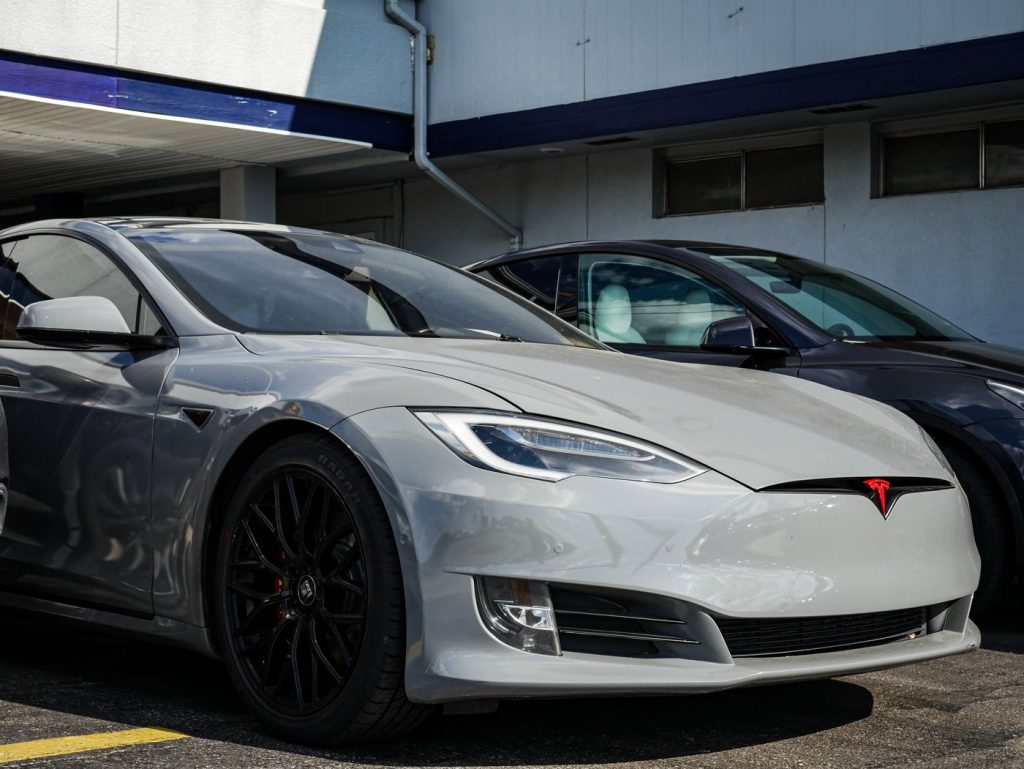
Tesla detailing pricing changes with the model, vehicle condition, service combination, paint or exterior material, glass coverage, correction needs, and protection scope. A routine interior appointment is a different job from a Model Y receiving paint correction, PPF, and window tint.
Tesla Service Need | Typical Scope | Pricing |
Interior Detailing | Seats, carpets, trim, glass, cargo areas, touchscreen-area cleaning | Call for Pricing |
Exterior Detailing | Hand wash, decontamination, wheels, glass, finish care | Call for Pricing |
Paint Correction | Swirls, haze, oxidation, and light defect reduction on painted models | Call for Pricing |
Ceramic Coating | Prepared painted surfaces with longer-term coating protection | Call for Pricing |
PPF / Window Tint | Impact protection or glass-performance upgrades | Call for Pricing |
The quote should reflect the actual problem being solved rather than the Tesla badge alone. Two Model Y vehicles can need completely different amounts of work if one has a maintained interior and clean paint while the other carries stains, exterior contamination, swirl marks, and unprotected high-impact panels.
That is why Tesla detailing works better when the service path is identified first. Model, condition, and ownership goals shape the final scope.
Tesla car detailing covers several separate systems across the same vehicle. The value comes from directing the right service toward the right surface instead of treating every concern as a general detailing problem.
A hot cabin, scratched paint, stained seats, and rock-chip exposure are different problems. Tint addresses the glass. Paint correction addresses visible defects. PPF protects high-impact paint. Ceramic coating changes surface behavior. Interior detailing handles cabin contamination. One product should not be expected to solve all five.
The strongest Tesla care plan begins by separating the problem before choosing the service. Cleaning, correction, protection, and glass work should stay distinct so the vehicle receives only the work that actually applies.
Interior and exterior detailing remove buildup, contamination, dust, stains, road film, and other maintenance-related dirt from the surfaces that need attention.
Paint correction addresses swirl marks, haze, oxidation, and light defects already visible within the painted finish. It is not a substitute for cleaning or protection.
Ceramic coating and PPF protect prepared surfaces in different ways. Coating changes surface behavior, while film adds a physical barrier against road impact.
Window tint and glass cleaning solve visibility, heat, glare, privacy, and cabin-exposure concerns that paint services cannot address.
Tesla detailing works best when the vehicle is routed through the right service sequence. The model identifies the platform, but condition and ownership goals determine what happens next.
Start with Model 3, Model Y, Model S, Model X, or Cybertruck because body shape, glass area, exterior material, and use differ across the lineup.
Separate interior contamination, exterior buildup, paint defects, road-impact exposure, heat, privacy, and long-term protection before selecting the service.
Paint, glass, wheels, cabin materials, and stainless exterior panels require different care strategies and should not be grouped into one generic treatment.
Detailing, correction, coating, PPF, tint, or a combination is selected according to the actual condition rather than a one-package-fits-all approach.
Correction belongs before coating when defects need improvement, paint preparation belongs before PPF, and cleaning should come before protection is added.
The next wash, cleaning method, or protection-maintenance step should match whatever correction, film, coating, tint, or detailing work has already been completed.
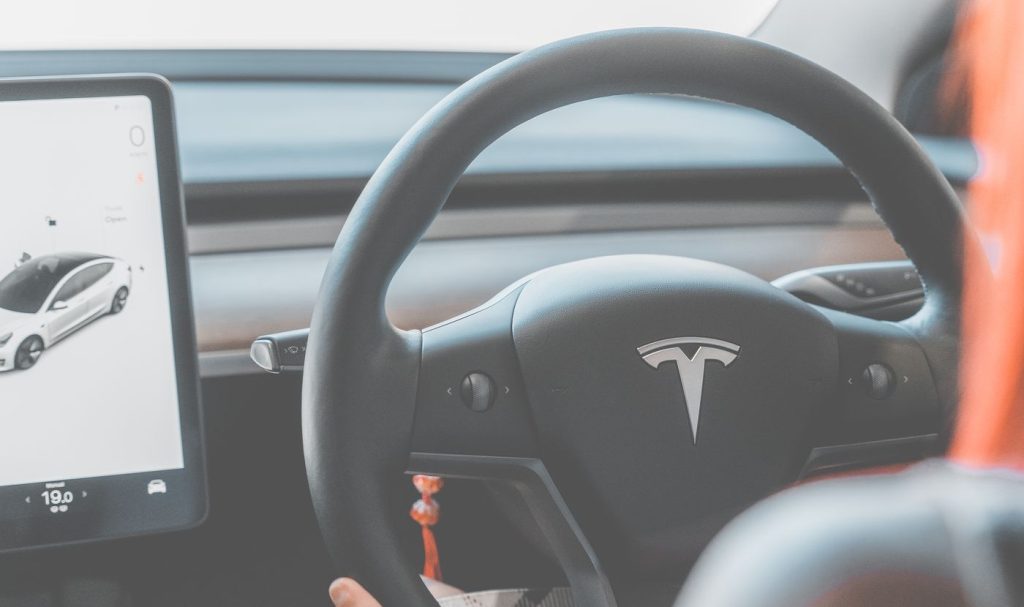
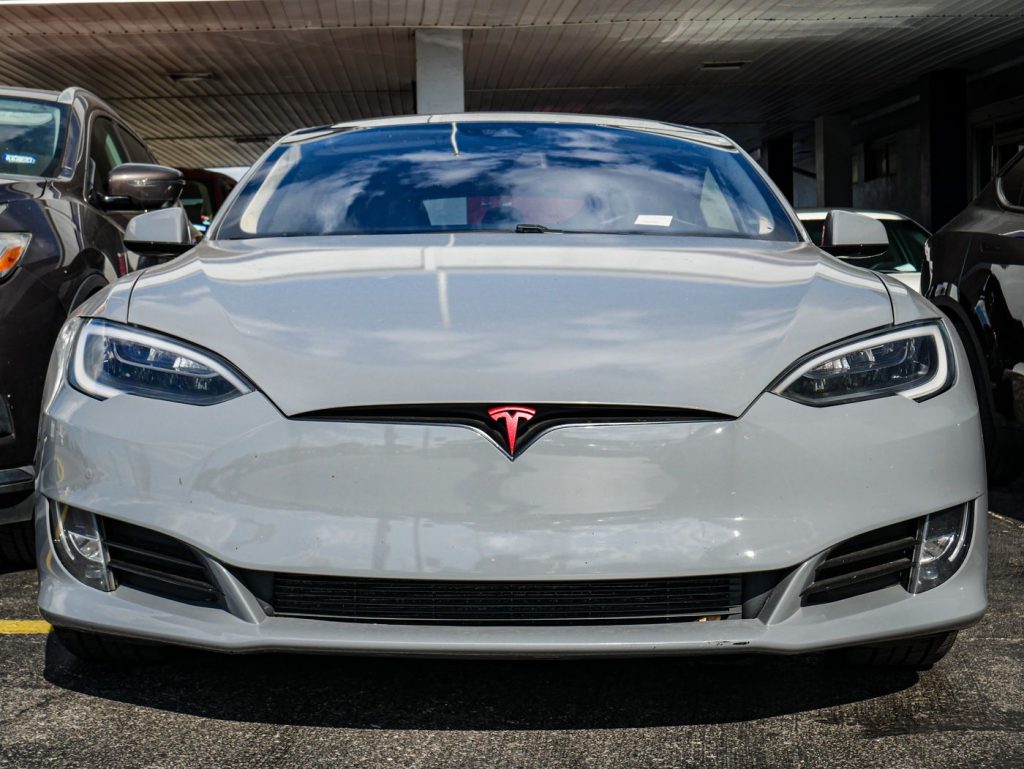
The quickest way to choose the right service is to start with what you can see, feel, or experience inside the vehicle. Each problem points toward a different service direction.
What You Notice | Best Service Direction |
Interior Dust, Stains, Crumbs | Tesla Interior Detailing |
Exterior Contamination, Dirty Wheels | Tesla Exterior Detailing |
Swirls, Haze, Light Scratches | Tesla Paint Correction |
Want Longer Paint Protection | |
Concerned About Rock Chips | |
Heat, Glare, Privacy Concerns |
A Tesla with problems across several areas may be better served by full car detailing first, followed by correction or protection where the finish still needs additional work.
The point is to avoid solving the wrong problem. A swirl issue does not need a deeper interior package. A hot cabin does not need paint correction. Rock-chip risk points toward film, while contaminated paint may only need detailing.
Tesla detailing Huntington Beach, CA is useful at more than one point in vehicle ownership. The service path changes as the vehicle moves from new-delivery condition into daily use, paint maintenance, protection, or long-term preservation. The important distinction is condition. New vehicles may arrive needing little more than cleaning and protection, while another Tesla of the same age may already have wash marks, cabin buildup, road contamination, or impact exposure that changes the service path.
No. Ceramic coating makes sense when the owner wants a longer paint-protection cycle, easier maintenance, and a coated surface after proper preparation. A Tesla with clean, well-maintained paint may be a good candidate, while a vehicle with visible defects may need correction first. Coating should follow the paint condition, not the model badge.
They protect against different problems. PPF adds a physical film barrier that is useful for rock chips and road impact, especially across high-exposure panels. Ceramic coating changes surface behavior, gloss, and maintenance characteristics. Some owners use both because impact protection and coated-surface protection solve separate concerns.
Yes, if visible defects are actually present. Transport, storage, previous washing, and handling can leave swirl marks, haze, or light scratches before delivery. Inspect a new Tesla before correction rather than polishing it automatically. If the finish is already in good condition, avoid unnecessary material removal.
No. Cybertruck uses stainless-steel exterior body panels, so its exterior-care path should not be treated exactly like a painted Tesla. Interior cleaning, glass care, wheels, and other areas still require normal detailing decisions, but the exterior surface itself needs a different approach than conventional painted clear coats.
Not automatically. Large roof glass needs careful, residue-free cleaning just like other automotive glass, but a Tesla-specific chemical is not inherently required. Existing tint, coatings, film, mineral deposits, or other surface conditions matter more than the badge when choosing the correct glass-cleaning method.
Tint can be useful when the owner wants to reduce glare, privacy, visible light, or cabin heat through treated glass. The useful question is which panes need treatment and what performance goal matters most. Tint should be selected around glass position, visibility, and the desired cabin experience rather than darkness alone.
Fresh details, foam videos & transformations every week.
Tell Lezama Brother’s Mobile Auto Detail where the vehicle is parked and what service you need. We’ll confirm coverage, property suitability, and whether the work can be completed on-site or requires our Huntington Beach shop.
Fill out the form and get your detailed quote.
Call us if you have any queries!


 Trustindex verifies that the original source of the review is Google.
 Trustindex verifies that the original source of the review is Google.
 Trustindex verifies that the original source of the review is Google.
 Trustindex verifies that the original source of the review is Google.
 Trustindex verifies that the original source of the review is Google.
 Trustindex verifies that the original source of the review is Google.
 Trustindex verifies that the original source of the review is Google.
 Trustindex verifies that the original source of the review is Google.
 Trustindex verifies that the original source of the review is Google.
Tell Lezama Brother’s Mobile Auto Detail whether the issue is interior buildup, paint defects, road impact, glare, privacy, or long-term protection. Book Tesla detailing around the problem you actually want solved.