
Fleet detailing in Huntington Beach, CA keeps company vehicles on a repeatable cleaning schedule instead of treating every van, truck, or car as a separate appointment. Service scope, frequency, and vehicle grouping are planned around daily operations.
One company vehicle is easy to schedule. Five, ten, or more vehicles create a different problem. If each work van or company car is booked independently, cleaning becomes another administrative task instead of a predictable maintenance routine. Fleet vehicle detailing works better when the business establishes one service structure for multiple vehicles rather than starting from zero every time a unit gets dirty.
Vehicle mix matters just as much as vehicle count. A fleet can include passenger cars, work vans, pickup trucks, SUVs, and service vehicles that accumulate dirt at different rates. A van visiting job sites every day may need more frequent exterior washing and cabin cleanup than a company car that spends most of the week parked at an office.
Frequency should follow use. Some commercial fleets mainly need recurring exterior washing, while interior detailing is scheduled less often. Others have heavy driver turnover, food debris, dust, worksite contamination, or customer-facing cabins that need more regular attention. A commercial fleet detailing plan should separate those needs rather than applying the deepest package to every vehicle on every visit.
Scheduling is where fleet service becomes operationally useful. Vehicles can be grouped around depot time, office parking, shift changes, or other windows when several units are available together. Mobile fleet cleaning then becomes part of the company’s operating rhythm instead of repeatedly removing vehicles from use for individual detailing appointments.

Fleet detailing Huntington Beach, CA pricing should reflect the way the fleet actually operates. Vehicle count matters, but so do vehicle type, cleaning depth, service frequency, and the logistics of reaching several units during the same service window.
Fleet Factor | What Changes the Quote | Pricing |
Number of Vehicles | More units affect labor, batching, and service time | Request Fleet Quote |
Vehicle Mix | Cars, vans, trucks, and SUVs require different cleaning time | Request Fleet Quote |
Service Scope | Exterior washing, interior cleaning, or full detailing | Request Fleet Quote |
Service Frequency | One-time, periodic, or recurring maintenance | Request Fleet Quote |
Site Logistics | Parking access, vehicle availability, and service grouping | Request Fleet Quote |
A recurring fleet program does not have to use one cleaning interval for everything. One company may schedule frequent exterior washes, less frequent interior cleaning, and occasional deeper detailing for units that fall outside the normal maintenance condition.
The quote is built around the real operating pattern rather than a generic per-car package. Grouped vehicles, predictable service windows, and repeatable scopes make commercial vehicle cleaning easier to plan as the fleet changes.
Recurring fleet detailing is valuable when it removes inconsistency from vehicle care. The aim is not to make every unit identical regardless of use, but to keep vehicles within an agreed condition standard without restarting the scheduling process each time.
A work van running daily routes may need washing more often than a company sedan used twice a week. Recurring maintenance works best when service intervals follow actual use rather than forcing every vehicle into the same calendar. For fleets that only need frequent exterior maintenance, a mobile car wash service can form the lighter recurring baseline.
The technical cleaning matters, but poor scheduling can make even a good fleet service difficult to use. The operation has to account for when vehicles are present, which units need service, how long they can remain parked, and what level of cleaning each group requires.
Multiple vehicles are grouped into the same service window where possible so the company does not need a separate appointment process for every unit.
Exterior, wheels, glass, cabin, and deeper cleaning expectations are agreed before recurring service begins so each visit follows a predictable scope.
Service intervals are based on vehicle use, condition, driver turnover, and presentation needs rather than applying one schedule blindly across the fleet.
A vehicle that suddenly carries heavier interior buildup or exterior contamination can receive deeper work without permanently changing the baseline for every other unit.
The recurring service should be designed before vehicles start moving through it. Count, use, condition, location, and availability all shape the program, while individual problem vehicles are handled as exceptions rather than disrupting the whole fleet.
Start with the number of cars, vans, trucks, SUVs, and other commercial vehicles that may need recurring service.
Separate heavy-use work vehicles, customer-facing units, company cars, and lower-use vehicles when their cleaning demands differ.
Choose the baseline service for each group, such as exterior washing, cabin cleaning, or a broader detailing level.
Decide whether service is one-time, periodic, or recurring based on how quickly the vehicles return to an unacceptable condition.
Plan around periods when several vehicles are parked at the same location instead of pulling units from active use individually.
Complete the agreed scope consistently across the scheduled vehicles while noting units that need work beyond the normal standard.
Vehicles with heavier stains, neglected cabins, bonded exterior contamination, or other exceptions are identified for deeper treatment.
Frequency, vehicle groups, and service depth can be revised as fleet size, routes, drivers, or operating patterns change.
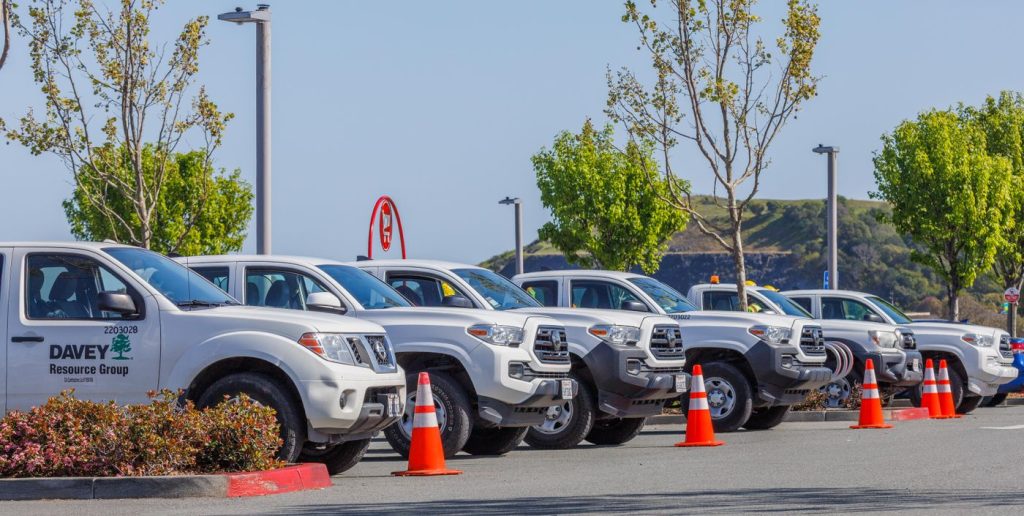

A fleet program does not need to run the deepest service every time. The best setup usually separates routine exterior maintenance from interior cleaning and broader detailing so labor follows the condition of the vehicle group.
Fleet Need | Routine Fleet Wash | Interior Fleet Cleaning | Full Fleet Detail |
Exterior Dirt | Primary Focus | No | Included |
Wheels & Glass | Included | Limited | Included |
Cabin Dust / Debris | No | Primary Focus | Included |
Deeper Interior Cleaning | No | As Needed | Available |
Best For | Frequent Maintenance | Driver-Use Buildup | Broader Vehicle Reset |
If the main issue is repeated cabin buildup, interior detailing services can be incorporated where deeper interior work is needed. Vehicles that require a broader inside-and-out reset can move into full vehicle detailing without forcing that same scope onto the rest of the fleet.
Fleet detailing in Huntington Beach, CA is most useful when vehicle appearance and cleanliness have to be managed repeatedly across several units rather than solved through occasional one-off appointments. Businesses operating outside Huntington Beach can review our fleet service areas to see where mobile fleet cleaning is currently available.
There is no universal minimum built into the service concept. Fleet detailing becomes useful when several vehicles can benefit from one cleaning standard, one service schedule, or grouped appointments. A small service company with three heavily used vans can gain as much operational value from recurring cleaning as a larger fleet with lighter-use vehicles.
Yes. Frequency should follow vehicle use rather than fleet membership alone. Daily-route work vans may need exterior washing more often than company cars, while high-turnover interiors may need separate cabin cleaning intervals. Grouping vehicles by use keeps the program consistent without pretending every unit accumulates dirt at the same rate.
No. A fleet can use different service levels for different groups. One set of vehicles may receive routine exterior washing, another may need recurring interior cleaning, and occasional units can be moved into deeper detailing when their condition falls outside the normal baseline.
Mobile fleet service is designed around cleaning vehicles where they are parked when access, space, and site conditions allow the work to be completed appropriately. Grouping several available vehicles at one location can reduce scheduling friction compared with sending each unit away for a separate appointment.
Quotes are based on factors such as vehicle count, vehicle type, cleaning scope, frequency, condition, and site logistics. A recurring program with several similar vehicles can be structured differently from a one-time mixed fleet containing vans, trucks, SUVs, and heavily used interiors that require different levels of work.
The recurring baseline does not have to change for the entire fleet. That vehicle can be identified as an exception and moved into a deeper interior, exterior, or full-detail service while the remaining units continue on their normal maintenance schedule. This keeps one problem vehicle from disrupting the wider program.
Fresh details, foam videos & transformations every week.
Tell Lezama Brother’s Mobile Auto Detail where the vehicle is parked and what service you need. We’ll confirm coverage, property suitability, and whether the work can be completed on-site or requires our Huntington Beach shop.
Fill out the form and get your detailed quote.
Call us if you have any queries!


 Trustindex verifies that the original source of the review is Google.
 Trustindex verifies that the original source of the review is Google.
 Trustindex verifies that the original source of the review is Google.
 Trustindex verifies that the original source of the review is Google.
 Trustindex verifies that the original source of the review is Google.
 Trustindex verifies that the original source of the review is Google.
 Trustindex verifies that the original source of the review is Google.
 Trustindex verifies that the original source of the review is Google.
 Trustindex verifies that the original source of the review is Google.
Tell Lezama Brother’s Mobile Auto Detail how many vehicles you operate, what types they are, where they are parked, and how often they need attention. Request a fleet quote built around your actual operating schedule.